Essential Healthcare Services Every Patient Should Know
Navigating the healthcare system can feel overwhelming, especially when patients are unsure which services they need, when to seek them, or how different types of care work together. Preventive visits, early intervention, and specialized support all play a role in maintaining long-term well-being, yet many people only engage with care after problems escalate.
Understanding the range of essential services available empowers patients to make informed decisions, reduce avoidable complications, and improve overall quality of life. This guide breaks down key areas of care every patient should be familiar with and offers practical tips on how to use these services effectively at different stages of life.

Build a Strong Foundation With Regular Medical Oversight
Establishing a relationship with trusted doctors is one of the most important steps a patient can take to protect their health. Primary care providers serve as the central coordinators of care, helping patients manage routine screenings, chronic conditions, medications, and referrals to specialists.
Regular checkups allow issues such as high blood pressure, diabetes, or elevated cholesterol to be identified early, often before symptoms appear. Patients should schedule annual wellness visits, keep an updated list of medications, and prepare questions ahead of appointments to maximize each visit.
It’s also important to be proactive. If something feels off, don’t wait for an annual visit. Early communication can prevent minor concerns from becoming major problems. Building a long-term relationship with a provider who understands your health history leads to more personalized, effective care over time.
Address Pain Early to Prevent Long-Term Mobility Issues
Persistent pain can disrupt sleep, limit movement, and negatively affect daily productivity if left unaddressed. Seeking professional back & neck pain treatment early is essential to preventing short-term discomfort from developing into chronic, mobility-limiting conditions. Pain in these areas is often caused by poor posture, repetitive motions, workplace ergonomics, injuries, or underlying musculoskeletal imbalances that worsen over time without proper care.
Patients can play an active role by tracking when pain begins, what activities aggravate it, and which positions or treatments provide relief. Sharing these details helps care providers determine whether imaging, corrective exercises, or targeted therapies are appropriate. Early treatment plans frequently focus on non-invasive solutions such as guided stretching, posture correction, ergonomic adjustments, and movement-based therapies designed to relieve pressure and restore function.
Delaying care or relying solely on over-the-counter remedies can allow inflammation and muscle tension to progress, making recovery more difficult. Addressing pain early through appropriate back and neck care supports long-term mobility, reduces dependence on medication, and helps patients remain active, comfortable, and independent in their daily lives.
Use Rehabilitation Services to Restore Strength and Function
Recovery from injury, surgery, or illness often requires more than rest alone. Physical therapy plays a vital role in rebuilding strength, improving flexibility, and restoring movement safely. Patients benefit most when therapy begins early and follows a structured, personalized plan.
Therapists assess movement patterns, identify weaknesses, and guide patients through exercises designed to prevent re-injury. Consistency is key, and attending scheduled sessions and completing home exercises greatly improves outcomes.
Patients should communicate openly about pain levels and progress. Therapy is not about pushing through pain but learning proper techniques to heal correctly. When used effectively, rehabilitation helps patients return to daily activities faster and with greater confidence.
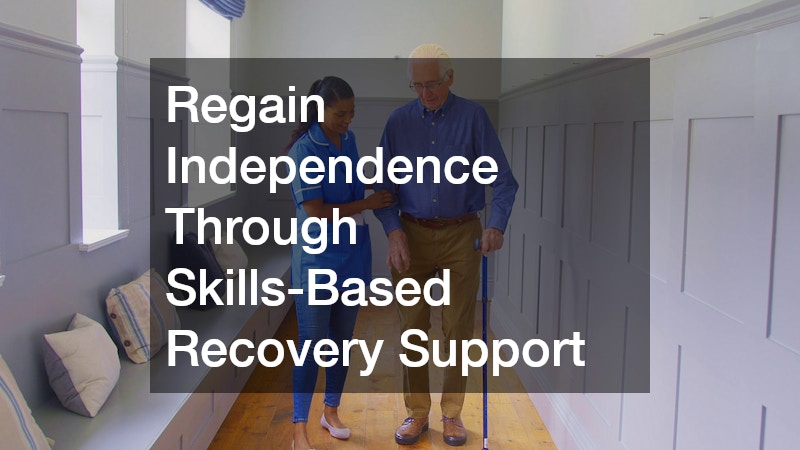
Regain Independence Through Skills-Based Recovery Support
While restoring movement is important, regaining the ability to perform daily tasks is equally critical. Occupational therapy focuses on helping patients adapt to physical, cognitive, or sensory challenges that affect everyday life.
This type of care is especially valuable after strokes, surgeries, or neurological conditions. Therapists help patients relearn tasks such as dressing, cooking, or working, often by introducing adaptive tools or alternative techniques.
Patients should actively participate by practicing skills at home and sharing feedback. The goal is not just recovery, but independence, enabling individuals to live safely and confidently in their own environments.
Protect Vision With Routine Exams and Preventive Attention
Vision changes can occur gradually and often go unnoticed until they interfere with daily life. Regular optical care helps identify issues such as eye strain, refractive errors, and age-related conditions before they become serious.
Patients should schedule routine eye exams even if their vision seems fine. Screen use, chronic conditions, and aging all affect eye health. Exams also provide insight into overall health, as eye changes can signal systemic issues.
Protective habits, such as wearing sunglasses, taking screen breaks, and updating prescriptions, support long-term vision health and reduce the risk of preventable vision loss.
Don’t Overlook Hearing as a Key Part of Overall Health
Hearing health is closely connected to how individuals interact with the world around them, making it an essential yet often overlooked part of overall wellness. Audiologists play a critical role in identifying and managing hearing loss, tinnitus, and balance disorders that can develop slowly and go unnoticed for years. Because these changes are often gradual, many people adapt without realizing how much their hearing has declined.
Early evaluation is especially important. Untreated hearing loss has been linked to social withdrawal, increased risk of falls, and added cognitive strain as the brain works harder to process sound. Over time, this strain can contribute to fatigue, frustration, and difficulty concentrating. Patients should consider a hearing evaluation if they frequently ask others to repeat themselves, turn up the volume on devices, or struggle to follow conversations in noisy settings.
Today’s hearing solutions are highly customizable and designed to fit individual lifestyles and levels of hearing loss. Modern devices are discreet, comfortable, and technologically advanced, offering features that enhance clarity and reduce background noise. Addressing hearing concerns early helps preserve communication, confidence, and long-term brain health.

Maintain Oral Health to Support Whole-Body Wellness
Oral health plays a critical role in overall wellness, influencing far more than a person’s smile. Poor oral hygiene has been linked to conditions such as heart disease, diabetes complications, and respiratory infections, making routine dental care an essential part of preventive health. Regular professional cleanings remove plaque and tartar that daily brushing can’t eliminate, while exams help detect early signs of decay, gum disease, or infection before they progress.
Consistency is key. Patients should brush at least twice daily with fluoride toothpaste, floss regularly, and replace toothbrushes every few months. Diet also matters. Limiting sugary foods and acidic drinks helps protect enamel and reduce cavity risk. If discomfort, bleeding gums, or sensitivity develop, addressing them promptly can prevent more extensive and expensive treatments later.
Dental visits offer additional health insights as well. Dentists can notice signs of nutritional deficiencies, autoimmune conditions, or oral cancers during routine exams. These early observations often lead to timely referrals and improved outcomes. For patients with chronic conditions, maintaining oral health is especially important, as inflammation and infection in the mouth can worsen systemic health issues.
Beyond physical health, good oral care supports confidence and quality of life. A healthy mouth improves comfort, communication, and self-esteem. By prioritizing regular dental visits and daily hygiene, patients protect both their overall health and long-term well-being.
Know When Immediate Care Is the Right Choice
Not every medical issue requires the intensity of an emergency room visit, yet delaying care for certain conditions can lead to complications. Urgent care centers fill this critical gap by offering timely evaluation and treatment for non-life-threatening problems that still need prompt attention. Common reasons to seek urgent care include sprains, minor fractures, cuts requiring stitches, fevers, infections, allergic reactions, and sudden illnesses that arise outside of regular office hours.
Understanding when to choose urgent care helps patients avoid unnecessary stress, long wait times, and higher medical costs. Emergency rooms are best reserved for life-threatening symptoms such as chest pain, severe breathing difficulty, or signs of stroke. In contrast, urgent care centers are designed for efficiency, often providing same-day service, on-site imaging, and basic lab testing without the complexity of a hospital setting.
Preparation plays an important role in using urgent care effectively. Patients should identify nearby locations in advance, confirm hours of operation, and verify insurance coverage. Keeping basic medical information accessible, such as current medications and allergies, can also speed up care during unexpected situations.
By knowing when and where to seek prompt medical attention, patients can address health concerns quickly and appropriately. This proactive approach leads to faster relief, improved outcomes, and greater confidence when navigating sudden or unplanned health needs.
Support Recovery and Comfort in the Home Setting
For patients managing chronic conditions, recovering after surgery, or transitioning from a hospital stay, receiving care at home can significantly improve both outcomes and comfort. In home health care services allow patients to heal in a familiar environment while still receiving professional medical attention, which can ease anxiety and promote faster recovery. Services may include skilled nursing care, medication management, wound care, therapy support, and assistance with daily activities such as bathing or mobility.
One of the key benefits of home-based care is continuity. Regular visits from trained professionals help monitor symptoms, identify potential complications early, and adjust care plans as needs evolve. This proactive oversight often reduces the risk of hospital readmissions and emergency visits. Patients are also more likely to follow treatment recommendations when care is delivered in a comfortable, personalized setting.
For families, understanding the structure of home care is essential. Caregivers should know how often clinicians will visit, which tasks are handled by professionals, and where family support is needed. Clear expectations prevent burnout and ensure that everyone involved feels prepared and supported.
Effective home care relies on open communication and thoughtful planning. Coordinating schedules, setting goals, and regularly reviewing progress helps align care with the patient’s needs and preferences. When done well, home-based care promotes independence, preserves dignity, and creates a supportive environment that balances medical oversight with everyday comfort.

Plan Compassionate Support for Advanced Illness
When facing serious or life-limiting conditions, comfort, dignity, and emotional well-being become central priorities for both patients and their loved ones. Hospice services are designed to provide holistic support during this stage, focusing not on curing illness but on enhancing quality of life. Care teams typically include medical professionals, counselors, social workers, and spiritual advisors who work together to manage pain, ease symptoms, and compassionately address emotional or spiritual concerns.
One of the most important aspects of hospice care is early planning. Having conversations about goals of care, personal values, and end-of-life preferences allows patients to retain a sense of control and ensures that decisions reflect what matters most to them. These discussions also help families feel more confident and less burdened when difficult choices arise. Advance directives, comfort-focused care plans, and open communication all play a role in creating a supportive environment.
Hospice care can be delivered in a variety of settings, including the patient’s home, assisted living communities, or dedicated hospice facilities. This flexibility allows care to be tailored to individual needs while maintaining familiarity and comfort. Families also receive education, respite care, and emotional support, helping them cope with the challenges of caregiving.
By understanding available hospice resources and engaging support early, families can focus less on logistical stress and more on meaningful moments, comfort, and connection during a profoundly important time.
Healthcare works best when patients take an active role in understanding what care is available to them and how to use it at the right time. Rather than reacting only when problems become severe, proactive engagement allows individuals to prevent avoidable complications, manage conditions more effectively, and maintain a higher quality of life as their needs change over time. Education, awareness, and open communication form the foundation of better health outcomes.
Each stage of life brings different priorities, and knowing where to turn for guidance or support makes navigating those changes less stressful. Preventive screenings can catch concerns early, timely treatment can shorten recovery, and ongoing support can help people adapt to new limitations or challenges with confidence. When care is coordinated and thoughtfully chosen, it becomes a tool for empowerment rather than a source of confusion.
Informed healthcare decisions support not only physical well-being but also emotional reassurance and independence. By staying engaged, addressing concerns early, and understanding available options, patients can approach their health journey with greater confidence, clarity, and peace of mind—today and well into the future.