From Exhausted to Empowered How Therapy Helps With Burnout
Burnout has become increasingly common in today’s fast-paced, always-connected world. Long hours, constant demands, and the pressure to perform can slowly drain emotional, physical, and mental energy. What often starts as manageable stress can evolve into a persistent sense of exhaustion, detachment, and reduced motivation. Many people push through these feelings, assuming they are temporary or a sign of weakness. In reality, burnout is a real and serious condition—and therapy can play a powerful role in recovery.
With the right support, individuals can move from feeling depleted to feeling empowered, rebuilding balance, clarity, and purpose in their lives.
What Are the Signs of Burnout?
One of the earliest and most common signs of burnout is emotional fatigue. This often shows up as a constant feeling of being overwhelmed, even by tasks that once felt manageable. You may notice increased frustration, anxiety, or a sense of dread related to work or daily responsibilities. Emotional exhaustion can also make it difficult to experience joy or satisfaction, leading to a feeling of emotional numbness or disconnection from things you once cared about. Over time, this emotional drain can impact relationships, self-esteem, and decision-making. Many people describe feeling “on edge” or as though they have nothing left to give, even after rest.
Burnout doesn’t only affect the mind—it often takes a toll on the body as well. Common physical symptoms include chronic fatigue, frequent headaches, muscle tension, gastrointestinal issues, and sleep disturbances. You might find that no amount of rest feels restorative, or that you wake up already feeling exhausted. These physical symptoms are the body’s response to prolonged stress. When left unaddressed, they can contribute to weakened immunity and increased vulnerability to illness, further reinforcing the cycle of burnout.
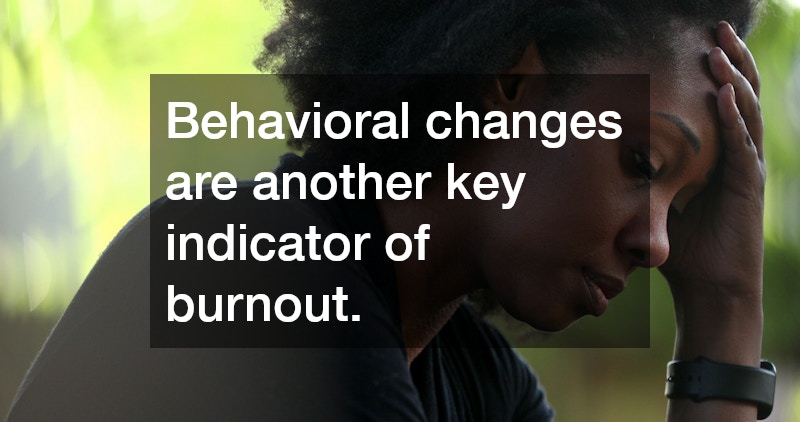
Behavioral changes are another key indicator of burnout. Increased irritability, withdrawal from social interactions, procrastination, or a noticeable drop in productivity are all common signs. Some people become detached or cynical, while others may overwork in an attempt to regain a sense of control. You may also notice changes in habits, such as relying more heavily on caffeine, alcohol, or comfort behaviors to cope. These shifts are signals that stress levels have exceeded what your current coping strategies can manage.
How Can Therapy Address Burnout?
Therapy provides a structured and supportive environment to address the root causes of burnout. Cognitive-behavioral techniques are often used to help individuals identify unhelpful thought patterns that contribute to chronic stress, such as perfectionism or all-or-nothing thinking. By reframing these thoughts, clients can reduce pressure and develop healthier responses to challenges. Stress-management tools taught in therapy may include relaxation techniques, boundary-setting skills, and mindfulness practices. Working with a burnout therapist allows individuals to practice these strategies consistently and apply them to real-life situations.
Beyond stress reduction, therapy focuses on building resilience—the ability to adapt and recover from challenges. Counseling helps individuals explore how they respond to stress, what drains their energy, and what restores it. Through this process, clients learn coping strategies that are sustainable rather than reactive. A therapist specializing in burnout can also help clients reconnect with their values and priorities, which are often lost during periods of prolonged stress. This renewed sense of direction can make daily demands feel more manageable and meaningful.
One of the strengths of therapy is its individualized approach. Burnout looks different for everyone, depending on personal history, work environment, and life circumstances. Therapy allows for personalized treatment goals that align with each person’s needs, whether that means improving communication, managing workload expectations, or addressing underlying anxiety or depression. This tailored approach ensures that progress feels relevant and achievable, rather than generic or overwhelming. Over time, clients often regain a sense of agency and confidence in their ability to manage stress.
What Are the Long-Term Benefits of Therapy for Burnout?
One of the most significant long-term benefits of therapy is improved emotional well-being. As stress becomes more manageable, mood stability often increases. Clients report feeling more present, hopeful, and emotionally balanced. Therapy also provides tools to process difficult emotions in a healthy way, reducing the likelihood of future emotional exhaustion. This emotional resilience helps individuals respond to challenges without becoming overwhelmed, creating a more sustainable approach to work and life.
Burnout frequently stems from blurred boundaries between work and personal life. Therapy supports individuals in redefining these boundaries and learning to protect their time and energy. This may involve setting realistic expectations, learning to say no, or prioritizing rest without guilt. Over time, clients often achieve a healthier balance that allows space for relationships, hobbies, and self-care. This balance not only reduces burnout risk but also enhances overall life satisfaction.
Therapy encourages self-reflection and personal growth. Through guided exploration, individuals gain insight into their stress triggers, values, and patterns of behavior. This increased self-awareness supports long-term change, helping clients make intentional choices that align with their well-being. Rather than simply recovering from burnout, many people emerge from therapy with a deeper understanding of themselves and a stronger foundation for future challenges.
Burnout can leave individuals feeling trapped, exhausted, and disconnected, but it does not have to be permanent. Therapy offers a compassionate and effective pathway from exhaustion to empowerment. By addressing emotional, physical, and behavioral symptoms, therapy helps individuals develop resilience, regain balance, and reconnect with what matters most. With the right support, burnout becomes not an endpoint, but a turning point toward sustainable well-being and personal growth.