Balancing Clinical Care With Holistic Self-Care
In the modern landscape of health and wellness, a common misconception exists that we must choose between the cold, sterile world of clinical medicine and the soft, intuitive world of holistic self-care. We are often told that one is evidence-based and rigid, while the other is experiential and fluid. However, the most vibrant version of your health is found not in choosing one over the other, but in the intentional integration of both. This synergy allows you to benefit from the life-saving precision of medical science while honoring the emotional, spiritual, and lifestyle factors that make life worth living.
Redefining Your Relationship with Professional Medicine
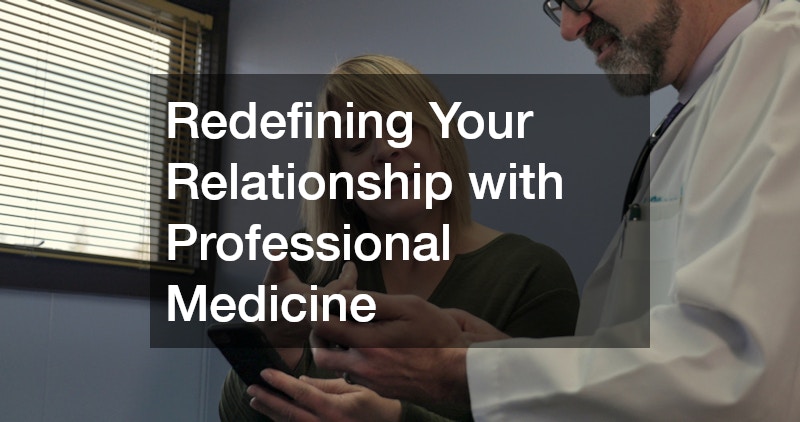
The foundational step in harmonizing clinical and holistic worlds begins with a fundamental shift in how you perceive clinical authority. For decades, the patient-doctor relationship has functioned as a one-way street, characterized by a paternalistic model where the patient passively receives instructions and complies with a standardized script. To truly integrate holistic wellness, you must shed the role of a passive recipient and emerge as an active collaborator. This evolution requires you to bring your unique lifestyle goals, your underlying anxieties, and your personal values to the table during every consultation, ensuring that the “care” provided actually fits the “life” you live.
When we discuss the nuances of personalized care, we must acknowledge that some individuals require specialized support to manage chronic conditions or complex mental health challenges that don’t always respond to a one-size-fits-all approach. In many states, the legal and social landscape has shifted significantly to recognize that botanical support can be a vital, valid part of a clinical regimen. Obtaining medical cards provides patients with a regulated, safe pathway to access therapeutic options that may offer relief where traditional pharmaceuticals fall short, ensuring that their journey toward physical and emotional comfort is both legal and carefully supervised by medical professionals.
The beauty of modern healthcare is that it no longer demands you sacrifice your time and energy to be physically present in a crowded waiting room for every minor concern. The rise of the virtual doctor has revolutionized the way we approach maintenance care, allowing for a seamless blend of professional medical advice and the sanctuary of your own home. These digital consultations are particularly effective for “check-in” appointments, where you can discuss how your new meditation practice or dietary changes are impacting your clinical health markers without the physiological stress of a long commute or a sterile office environment.
- Prepare a “Wellness Resume”: Before your appointment, list your current supplements, sleep patterns, and daily stress levels to share with your provider.
- Ask About Integrative Options: Don’t be afraid to ask how a specific clinical treatment might interact with your holistic practices or if there are lifestyle-based alternatives to consider first.
- Set Clear, Actionable Goals: Define what success looks like for you in concrete terms—whether it is achieving lower blood pressure through a mix of medication and breathwork or simply regaining the energy needed to play with your children.
Navigating Reproductive Health and Family Planning
Reproductive health is perhaps the most personal area of medicine, where the need for clinical safety and emotional autonomy often intersect. Whether you are navigating the journey of pregnancy or managing long-term hormonal health, the environment in which you receive care can dictate your psychological well-being.
For many, the clinical environment of a large hospital can feel overwhelming and disconnected from the natural process of bringing life into the world. Choosing a birth center can offer a transformative middle ground, providing a sanctuary that prioritizes low-intervention techniques and personal comfort while still being staffed by highly trained clinical professionals. This environment fosters a sense of agency, allowing the birthing person to feel supported rather than managed.
Of course, the foundation of this journey must be built on a relationship of trust with expert clinicians. Regular visits with obgyn doctors are essential for monitoring the physiological changes of the body and ensuring that any underlying issues are addressed before they become complications. These professionals provide the diagnostic backbone that allows you to pursue holistic birth plans with the confidence that you and your child are fundamentally safe.
- Interview Your Providers: Ensure your clinical team respects your desire for holistic integration.
- Draft a Flexible Birth Plan: Focus on your desired “vibe” and emotional needs, while remaining open to medical necessity.
- Postpartum Planning: Use clinical check-ups to discuss not just physical healing, but mental health and nutritional replenishment.
Managing High-Risk Scenarios with Grace

There are times when the “mind-body” connection is put to the ultimate test, particularly when medical situations become high-risk or complex. In these moments, it is easy to feel like you have lost control of your narrative. Balancing intensive clinical intervention with holistic peace of mind is not just a luxury; it is a survival strategy.
When a pregnancy requires extra layers of monitoring and specialized expertise, the role of maternal fetal medicine specialists becomes paramount. These experts deal with the intricacies of high-risk cases, utilizing advanced technology to protect both mother and baby. By entrusting the technical complexities to these specialists, a parent can free up mental bandwidth to focus on stress-reduction techniques and emotional bonding, which are equally important for a healthy outcome.
True health advocacy also involves having the courage to look at the full spectrum of your life and making the hardest decisions with clarity. Understanding all your pregnancy options is a vital part of reproductive freedom and mental wellness, ensuring that every individual has the information and clinical support necessary to choose the path that best aligns with their physical health and future stability.
- Seek Second Opinions: Especially in high-risk scenarios, hearing multiple clinical perspectives can provide peace of mind.
- Incorporate Mindfulness: Use breathing exercises during high-stress diagnostic tests to stay grounded.
- Build a Knowledge Base: Read evidence-based literature so you can speak the same language as your specialists.
Streamlining the Logistics of Wellness
One of the greatest barriers to balancing care is the sheer logistical friction of the medical system. When getting to an appointment becomes a source of high stress, the “wellness” aspect of the visit is often neutralized. Finding ways to remove these friction points is a practical form of self-care.
Accessibility is a major factor in maintaining a consistent healthcare routine, especially for those who do not drive or have limited mobility. Utilizing a non emergency transportation service can transform the way you experience healthcare by removing the variables of traffic and parking. This service ensures that you arrive at your appointments in a calm state of mind, ready to engage with your healthcare provider rather than being frazzled by the journey.
We must also account for the unpredictability of the human body. Holistic health involves an acute awareness of physical sensations, and sometimes those sensations require immediate clinical verification. Having access to walk in clinics allows you to address acute concerns—such as a sudden respiratory infection or a minor injury—without the weeks-long wait for a specialist, bridging the gap between daily wellness and emergency care.
- Schedule Appointments in Batches: Try to align your clinical visits with your self-care “recharge” days.
- Use Patient Portals: Keep your records digital to avoid the stress of lost paperwork.
- Map Out Local Resources: Know exactly where to go for urgent needs before an emergency happens.
Integrating Aesthetic and Physical Recovery
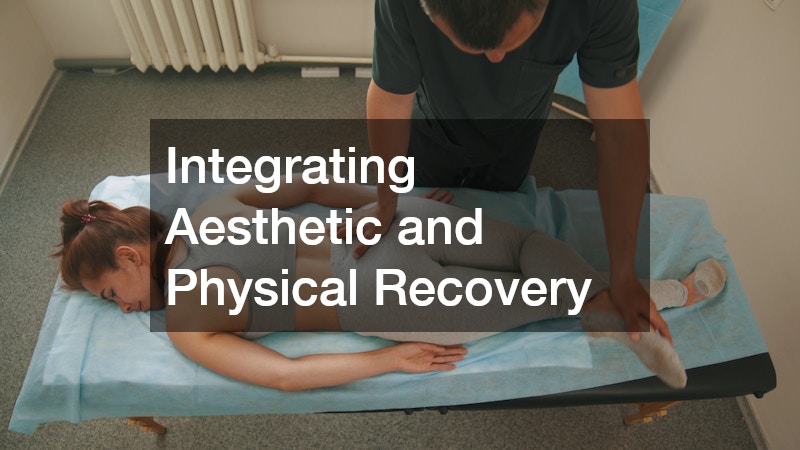
The modern local medical spa has become a vital resource for those looking to combine clinical-grade skin treatments with a holistic approach to beauty. These facilities offer more than just facials; they provide scientifically backed procedures that can address skin damage or aging in a setting that encourages deep relaxation. This integration helps individuals feel more at home in their bodies, which is a key component of mental wellness and self-assurance.
Physical recovery also extends to the structural integrity of the body and how we carry ourselves through the world. Integrating chiropractic care into your routine can help align the spine and improve nervous system function, providing a mechanical balance that supports the body’s natural ability to heal. When your musculoskeletal system is in harmony, it enhances the effectiveness of other clinical treatments by reducing overall physical stress and inflammation.
Recovery from any clinical procedure, whether elective or necessary, requires a high level of attention to the body’s delicate healing process. For those who need to wear monitoring patches, bandages, or glucose monitors for extended periods, the choice of materials is crucial for preventing secondary irritation. Utilizing skin safe adhesives ensures that the healing process is not interrupted by rashes or painful discomfort, allowing the patient to focus on their internal recovery without being distracted by external skin trauma.
- Consult Before You Treat: Always talk to a professional at a med-spa about your skin’s history and any current clinical treatments before starting new procedures.
- Support Your Structure: Consider how spinal alignment impacts your recovery time and overall energy levels.
- Post-Op Gentle Care: Focus on hydration and high-quality topical products during any recovery phase to support skin elasticity.
- Mindful Grooming: Treat your daily skincare and physical maintenance routine as a meditative practice rather than a chore.
The Architecture of a Balanced Life

Achieving a balance between clinical care and holistic self-care is not about a 50/50 split. It is about a 100/100 commitment to using every tool in the shed. On some days, your health will require the heavy lifting of a surgical specialist or a pharmaceutical intervention. On other days, your health will be best served by a long walk in the woods and a home-cooked meal. The wisdom lies in knowing which tool to reach for at any given moment.
To maintain this balance, you must develop a high level of “body literacy.” This is the ability to read the signals your body is sending you and translate them into actionable steps. If you feel a nagging pain, your body literacy tells you to check in with a clinician. If you feel a sense of burnout despite your physical labs being perfect, your body literacy tells you to double down on your holistic self-care rituals.
- Daily Check-ins: Spend five minutes every morning scanning your body for tension or discomfort.
- Quarterly Reviews: Every three months, look at your health holistically. Are your clinical needs being met? Is your soul being fed?
- Community Support: Join groups where others are navigating similar balances, as shared experience is a powerful form of medicine.
The integration of these two worlds also requires a degree of patience. The medical system is often slow and bureaucratic, while holistic healing can be subtle and gradual. Do not be discouraged if you don’t feel “perfect” immediately. Health is a direction, not a destination. By choosing providers who value your holistic input and by honoring the clinical realities of your biology, you are building a foundation that can weather any storm.
As we look toward the future of health, the lines between “alternative” and “traditional” will likely continue to blur. We are seeing more hospitals include integrative medicine departments and more holistic practitioners referring their clients to specialists for diagnostic imaging. This “middle path” is where the most effective healing happens. It respects the miracle of modern medicine without forgetting the human being at the center of the treatment.
Whether you are navigating a complex diagnosis or simply trying to optimize your daily energy, remember that you have the right to a healthcare experience that treats you as a whole person. Embrace the data, utilize the experts, but never lose touch with the intuitive wisdom that tells you what you truly need to thrive.
In the end, the most important advocate for your health will always be you. By combining your internal knowledge with the external expertise of the clinical world, you create a powerful alliance. This balanced approach doesn’t just keep you from being sick; it empowers you to be truly, vibrantly well. The journey toward health is rarely a straight line, but with a toolkit that includes both the clinical and the holistic, you are well-equipped for whatever lies ahead.