How to Support a Loved One Entering a Rehab Center
Watching a friend, partner, or family member take the crucial step toward a rehab center is a journey filled with profound emotion, hope, and vulnerability. The transition into professional care marks a pivotal turning point, offering a pathway toward long-term healing and stability. However, navigate this unfamiliar territory can feel overwhelming for supporters who want to offer meaningful help while protecting their own emotional well-being. Knowing how to provide steady, non-judgmental assistance throughout this transition makes a significant difference in your loved one’s commitment to the process.
Supporting someone entering treatment requires a thoughtful balance of empathy, practical preparation, and clear boundaries. Your role is not to fix their challenges single-handedly, but rather to serve as a reliable anchor during a period of immense change. By understanding the admissions process, learning effective communication strategies, and prioritizing your own self-care, you can create a supportive foundation that empowers your loved one to focus entirely on their recovery.
Preparing for the Initial Transition and Admissions Process
The hours leading up to a rehab center are often marked by anxiety, hesitation, and second-guessing. Providing practical support during this phase helps remove unnecessary stress so your loved one can concentrate on their upcoming treatment. Assist them by reviewing the facility’s packing guidelines, ensuring they bring appropriate clothing, necessary identification, and approved personal items while leaving restricted belongings at home.
Offering transportation or sitting with them during intake provides a comforting presence that reinforces your commitment. During the intake evaluation at the clinical facility, stay patient and calm, as official paperwork and initial assessments can take several hours to complete.
-
Review Facility Rules: Carefully read the facility’s guidance regarding permitted clothing, toiletries, books, and electronics.
-
Handle Practical Logistics: Assist with securing their home, making arrangements for pet care, and managing ongoing bills or mail delivery.
-
Maintain a Calm Demeanor: Keep conversations light and grounded to help minimize pre-admission nervousness.
-
Organize Key Documents: Keep health insurance cards, medical records, and official identification easily accessible for intake personnel.
Navigating Communication Guidelines and Visitation Policies
Once your loved one checks into the facility, immediate contact may be restricted to facilitate an initial adjustment period. Facilities often enforce a blackout or limited-contact policy during the first week or two, allowing residents to immerse themselves completely in group therapy, individual counseling, and personal reflection without outside distractions.
Respecting these boundaries is critical for their therapeutic progress. Use this time to write encouraging letters or keep a private journal of your thoughts to share when communication channels open up. When phone calls or visits are permitted, keep interactions positive, focused on their progress, and free of household drama or outside stresses.
-
Honor Restrictive Periods: Trust that initial communication limits are designed specifically to support clinical outcomes.
-
Keep Conversations Uplifting: Focus on expressing love, pride, and encouragement rather than dwelling on outside problems.
-
Participate in Family Days: Attend scheduled family visitation sessions and therapy workshops when invited by clinical staff.
-
Send Approved Care Packages: Mail supportive notes, comforting books, or simple personal care items that follow facility guidelines.
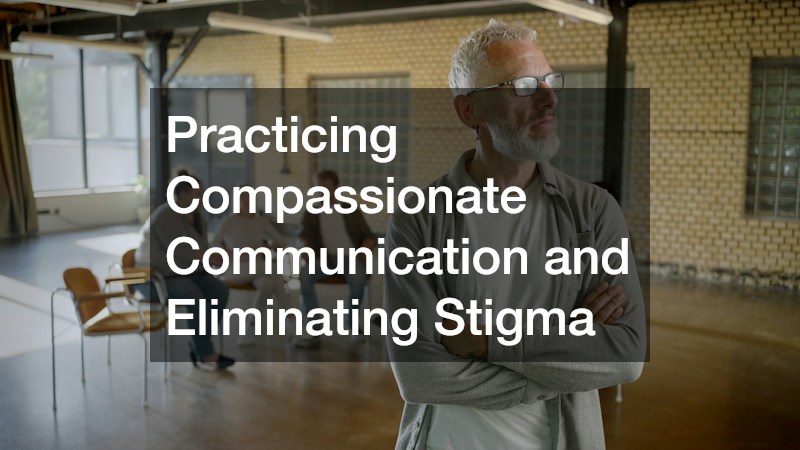
Practicing Compassionate Communication and Eliminating Stigma
The language you use when speaking to a person in treatment significantly impacts their self-worth and motivation. Frame conversations around health, courage, and long-term wellness rather than past mistakes or destructive behaviors. Avoid asking invasive questions about their daily therapy sessions; instead, allow them to share what they feel comfortable disclosing at their own pace.
Listen actively without offering unsolicited advice or trying to “fix” their perspective. Acknowledging their effort and validating their courage builds trust and reinforces their decision to pursue a healthier lifestyle.
-
Focus on Validation: Acknowledge how hard they are working and celebrate small milestones along the way.
-
Avoid Guilt or Blame: Refrain from bringing up past conflicts, financial stress, or emotional grievances during treatment visits.
-
Respect Confidentiality: Keep their treatment details private unless they explicitly ask you to share updates with others.
-
Practice Active Listening: Give them your full attention during phone calls without interrupting or offering quick solutions.
Supporting a loved one through a rehab center is a profound act of devotion that requires patience, strength, and continuous adaptation. By assisting with initial preparations, respecting facility boundaries, communicating with empathy, and prioritizing your own well-being, you help build a strong foundation for sustainable healing. Remember that recovery is a marathon rather than a sprint, and your steady, compassionate presence is one of the most powerful gifts you can offer. As your loved one does the hard work of internal transformation, your unwavering belief in their potential provides a guiding light toward a healthier, brighter future together.