How Integrated Health Care Services Support Complete Mind and Body Healing
For generations, modern medicine has operated largely within specialized silos. When an individual experiences persistent knee pain, they visit a joint specialist. When struggling with deep emotional exhaustion or chronic stress, they seek out a mental health therapist. If substance dependence enters the equation, a specialized recovery facility is usually consulted in complete isolation from primary physical care. While clinical specialization has led to remarkable technical advancements, this fragmented approach often leaves patients attempting to piece together their own healing journey.
Treating physical ailments without addressing underlying psychological strain—or attempting to resolve mental health challenges while ignoring structural physical dysfunction—creates an incomplete recovery loop. The human body does not operate as a collection of independent systems; it functions as a deeply interwoven network where biological, mental, and environmental factors constantly influence one another.
To achieve long-term vitality, healthcare must evolve from reactive, piecemeal interventions to a unified model of whole-person care. An integrated framework brings together medical practitioners, rehabilitation experts, behavioral health counselors, and supportive care providers into a single, cohesive strategy. By addressing physical trauma, psychological balance, and the home environment simultaneously, integrated care offers a clear pathway toward sustainable, complete recovery.
The Blueprint of Whole-Person Medicine
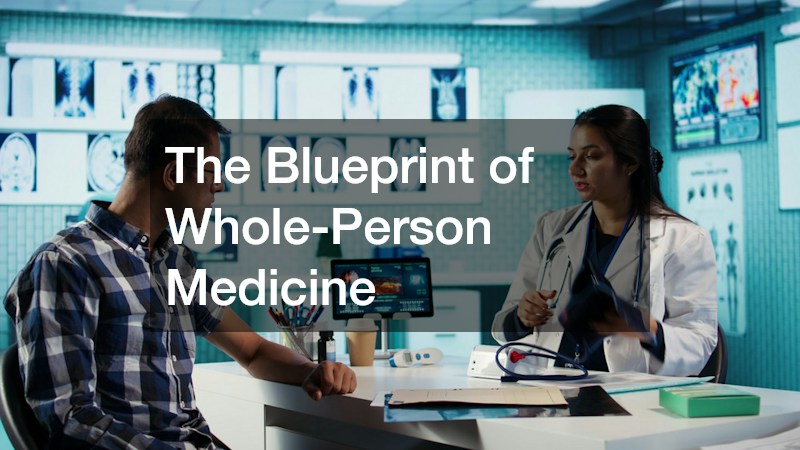
The foundational principle of whole-person medicine encompasses a profound yet straightforward idea: effective healing necessitates a focus on the entirety of the human being rather than merely addressing isolated symptoms. This holistic approach recognizes that when a patient is afflicted by chronic bodily discomfort, the repercussions extend beyond the physical realm. The physiological toll on the body invariably influences the patient’s psychological stress levels, sleep quality, and even the robustness of their immune function. Similarly, persistent mental strain and anxiety can manifest physically, presenting as muscle tension, systemic inflammation, and pervasive fatigue that debilitates the individual over time. Integrated medicine aims to break this vicious cycle of merely chasing symptoms by fostering an interconnected ecosystem of care providers.
When navigating the choice of a comprehensive health care service, many individuals encounter a critical roadblock: the communication gaps that often exist between separate medical offices. Such gaps can become the most significant barrier to achieving sustainable recovery. In traditional medical settings, a physical specialist could prescribe a rigorous and demanding therapeutic routine with the best intentions in mind, but might do so without the awareness that the patient is simultaneously grappling with severe burnout or physical exhaustion stemming from another condition. Conversely, a mental health provider might suggest lifestyle modifications that enhance mental well-being but inadvertently overlook the patient’s existing physical limitations.
To build an effective whole-person healing strategy, consider implementing these foundational steps:
- Audit Your Current Care Network: Conduct a thorough inventory of every healthcare provider involved in your treatment regimen. This includes your primary care clinicians, various specialists, physical trainers, and mental health counselors. By documenting your current treatment plans and sharing this information across your entire provider network, you ensure that each member of your healthcare team is aligned and informed, paving the way for synchrony and comprehensive care.
- Designate a Primary Medical Coordinator: Establish a partnership with a lead physician, a functional medicine doctor, or a designated care coordinator who will act as the center of communication for your healthcare needs. This professional is tasked with the critical role of synthesizing medical records, monitoring potential drug and therapy interactions, and ensuring that all practitioners are operating from a singular, unified strategy that serves your best interests.
- Establish Unified Health Objectives: Clearly define what a successful healthcare journey entails beyond the mere management of symptoms. Shift the paradigm toward achieving holistic functional goals, such as enhancing daily energy levels, restoring full joint mobility, or cultivating emotional resilience. These objectives should guide your healthcare strategy, providing direction and purpose to every facet of your care.
- Incorporate Specialized Consultations Early: Proactively seek out multi-specialty practices where clinical team members actively collaborate on your care plan. Particularly for structural issues, consult orthopedic doctors who communicate directly and consistently with physical therapists and wellness coaches. This collaborative approach prevents the dissemination of conflicting clinical advice and streamlines the path to recovery, ensuring your journey is as efficient and effective as possible.
Restoring Physical Function and Musculoskeletal Balance
Physical movement is fundamental to structural health and emotional resilience. When structural injuries, degenerative joint conditions, or musculoskeletal imbalances occur, they affect far more than local tissue; they disrupt daily mobility, decrease independence, and frequently trigger chronic emotional stress. Conventional approaches often rely heavily on prescription medications or rapid surgical interventions to address structural issues. However, an integrated approach prioritizes conservative, restorative modalities that rebuild the body’s intrinsic strength and mechanical alignment.
A key component of comprehensive structural care involves physical therapy designed specifically for whole-body restoration. Rather than simply targeting a localized area of pain, a holistic physical rehabilitation protocol addresses movement patterns, core stability, postural alignment, and muscular imbalances across the entire kinetic chain. By focusing on root biomechanical causes rather than temporary relief, patients build lasting physical resilience.
To restore physical function safely and effectively, consider incorporating these practical strategies:
- Prioritize Early Active Rehabilitation: Begin targeted, low-impact movement protocols as soon as medically appropriate following an injury or acute flare-up. Controlled movement increases blood circulation, prevents tissue adhesion, and accelerates natural healing processes.
- Explore Non-Invasive Structural Interventions: Before committing to invasive surgical procedures, thoroughly investigate comprehensive alternatives to surgery. Protocols combining manual joint mobilization, targeted neuromuscular re-education, regenerative medicine, and lifestyle modifications can resolve severe musculoskeletal discomfort without lengthy surgical recoveries.
- Focus on Kinetic Chain Mechanics: Work with movement specialists who evaluate how adjacent joints and muscle groups contribute to your primary area of pain. Addressing weak hips or poor ankle mobility, for example, often relieves chronic stress on the lower back and knees.
- Maintain Daily Movement Consistency: Complying with home exercise routines between clinical visits ensures steady mechanical adaptation, strengthens supporting ligaments, and reduces the likelihood of re-injury over time.
Reclaiming Psychological and Emotional Well-Being

Mental health and physiological well-being are inextricably linked. Persistent psychological distress alters neurochemistry, elevates stress hormone levels, and contributes to widespread bodily inflammation. In many cases, individuals dealing with unaddressed physical pain, emotional trauma, or overwhelming daily stress turn to maladaptive coping mechanisms. Over time, these coping strategies can evolve into severe physical dependencies, creating a dangerous cycle where emotional strain and physical degeneration reinforce one another.
Achieving meaningful, long-term health requires treating behavioral challenges and physical conditions as co-occurring aspects of a single health profile. Programs specializing in alcohol rehab demonstrate that lasting sobriety is rarely achieved through willpower alone; it requires addressing biological neurochemical imbalances, emotional trauma, and physical health simultaneously. By incorporating psychological counseling alongside medical care, patients learn to dismantle unhealthy coping patterns and build sustainable mental resilience.
When building a comprehensive strategy for emotional and behavioral recovery, these actionable practices can provide strong support:
- Identify Underlying Mind-Body Triggers: Keep a daily journal tracking physical symptoms, emotional states, and environmental stressors. Identifying specific triggers allows care teams to construct targeted coping strategies that address both emotional urges and physical discomfort.
- Seek Multi-Disciplinary Behavioral Support: Engage in structured addiction treatment programs that integrate cognitive behavioral therapy, somatic experiencing, and nutritional counseling. Combining clinical psychology with physiological support ensures all aspects of dependence are addressed simultaneously.
- Incorporate Nervous System Regulation Practices: Integrate daily breathwork, guided meditation, or biofeedback techniques to shift the body out of a chronic fight-or-flight state. Calming the autonomic nervous system reduces physical pain perception and restores emotional balance.
- Build an Inclusive Accountability Network: Surround yourself with a diverse support team, including professional therapists, peer recovery groups, and family members. Ongoing personal connection prevents isolation and provides essential encouragement during challenging recovery phases.
Specialized Interventions for Substance Use and Neurological Recovery
Confronting deep-seated substance dependencies or severe neurological conditions demands high levels of clinical precision and continuous support. Chronic chemical dependence significantly alters brain structure, impairs organ function, and disrupts basic metabolic processes. Attempting to address complex dependencies without comprehensive medical oversight often leads to repeated relapse and heightened physical distress. Sustainable recovery requires specialized environments designed to restore physiological stability while retraining neurological pathways.
Enrolling in a medically supervised drug rehab center ensures that individuals undergo safe detoxification while initiating long-term behavioral therapy. However, the recovery journey does not end when an inpatient program concludes. Transitioning back into everyday life represents a critical window where continuous, flexible support is essential to prevent relapse and maintain therapeutic momentum.
Bringing professional medical protocols and rehabilitation strategies into the comfort of home care bridges the gap between intensive clinical treatments and long-term independence. This gentle transition allows individuals to apply recovery tools in their everyday environments while receiving professional guidance.
Consider the following actionable steps to optimize specialized behavioral and neurological recovery:
- Utilize Medically Supervised Detoxification: Never attempt abrupt withdrawal from severe physical dependencies without clinical oversight. Medically managed protocols mitigate acute physical risks, manage uncomfortable withdrawal symptoms, and stabilize vital signs.
- Implement Dual-Diagnosis Screening: Ensure that diagnostic evaluations evaluate both substance use and underlying mental health disorders, such as depression, anxiety, or post-traumatic stress. Treating both conditions concurrently is vital for preventing long-term relapse.
- Establish a Phased Transition Plan: Avoid sudden jumps from intensive clinical settings to complete independence. Utilize step-down programs, outpatient support groups, and professional home-based assistance to preserve structure during delicate recovery phases.
- Optimize Neuro-Nutrition and Cellular Healing: Work with clinical nutritionists to replenish essential vitamins, minerals, and amino acids depleted by prolonged chemical stress. Proper cellular nutrition accelerates brain recovery and stabilizes mood swings.
Establishing Healing Environments Beyond the Clinic

Clinical visits, specialized therapies, and diagnostic appointments form the foundation of an integrated health care strategy, but true recovery is cemented in the choices made within daily living environments. A patient may receive exceptional care at a clinic, but if they return home to an environment that promotes physical strain, safety hazards, or emotional isolation, progress can quickly stall. Extending high-quality, professional care directly into the living space is often the final piece required for complete, permanent healing.
For individuals recovering from complex procedures, managing chronic degenerative conditions, or navigating long-term rehabilitation, continuous in home care provides an ideal balance of professional oversight and personal comfort. Having dedicated care professionals present in the household helps bridge the gap between clinical guidelines and daily practice, ensuring that medication routines, physical exercises, and safety protocols are followed consistently without causing unnecessary stress to the patient or their family.
Integrating professional support services into your domestic routine helps maintain stability and momentum throughout recovery. A reliable home care service provides tailored assistance with daily activities, ensuring patients do not overexert themselves or risk re-injury during critical healing stages.
To transform your living environment into a supportive recovery space, implement these targeted strategies:
- Conduct an Environment and Safety Audit: Walk through your living space to identify potential fall hazards, awkward layout barriers, or mobility obstacles. Modify lighting, install safety handrails, and arrange essential items within easy reach to minimize physical strain.
- Establish Consistent Daily Health Routines: Create structured daily schedules for medication management, hydration, prescribed exercises, and restful sleep. Consistency reduces cognitive fatigue and trains the body to operate in a predictable, low-stress rhythm.
- Engage Trained Daily Care Specialists: Partner with professional care providers who assist with personal care, meal preparation, mobility support, and medication tracking. Having dedicated assistance ensures clinical recommendations are seamlessly integrated into everyday life.
- Foster Social Connection and Family Involvement: Ensure your recovery plan includes time for meaningful social interactions with loved ones and friends. Emotional connection combats feelings of isolation, boosts mood, and significantly enhances overall treatment outcomes.
Using This Guide for Health Care Services

Achieving complete mind and body healing requires stepping away from isolated, single-system treatments and embracing a fully integrated model of care. True health is not merely the absence of acute symptoms, but the harmonious balance of physical function, mental and emotional resilience, and a supportive living environment. When medical experts, rehabilitation specialists, behavioral health professionals, and home care providers align their efforts around a single, unified strategy, patients receive the comprehensive support necessary for lasting transformation.
By actively coordinating your care network, exploring non-invasive structural modalities, addressing underlying behavioral health factors, and building a supportive environment at home, you empower yourself to achieve profound, long-term wellness. Healing is a continuous journey that thrives on collaboration, consistency, and holistic attention. Taking a whole-person approach ensures that every aspect of your health is nurtured, paving the way for a vibrant, balanced, and fulfilling life.