The Daily Life of a Home Care Professional
Home care professionals, including home health aides, personal care aides, and certified nursing assistants, enable seniors and individuals with disabilities to live in their own homes with dignity and independence. This article explores the daily reality of these caregivers, discussing their duties, challenges, and the essential skills for success.
1. What are the typical duties of a home care professional?
A home care professional’s day is a dynamic tapestry of practical tasks and personal interaction, all tailored to the specific needs of their client.
1.1 Providing Personal Care
This foundational duty involves assisting with the most intimate aspects of daily living. It includes helping clients with tasks like bathing, dressing, and toileting.
The professional approaches these tasks with utmost respect and sensitivity, striving to preserve the client’s dignity and autonomy as much as possible.
1.2 Assisting with Daily Activities
Beyond personal care, aides support Instrumental Activities of Daily Living. This encompasses housekeeping, laundry, grocery shopping, and running errands. Their goal is to create a safe, nourishing environment that supports the client’s overall wellbeing.
1.3 Monitoring Health Conditions
Acting as the eyes and ears for nurses and family members, home care professionals vigilantly observe clients. They track vital signs and note changes in appetite, mobility, skin integrity, or cognitive state.
1.4 Administering Medications
Many aides are responsible for medication reminders, ensuring clients take the right pills at the right time. Some may assist with pre-measured dosages or use of medical devices like inhalers, always under strict protocols to prevent errors.
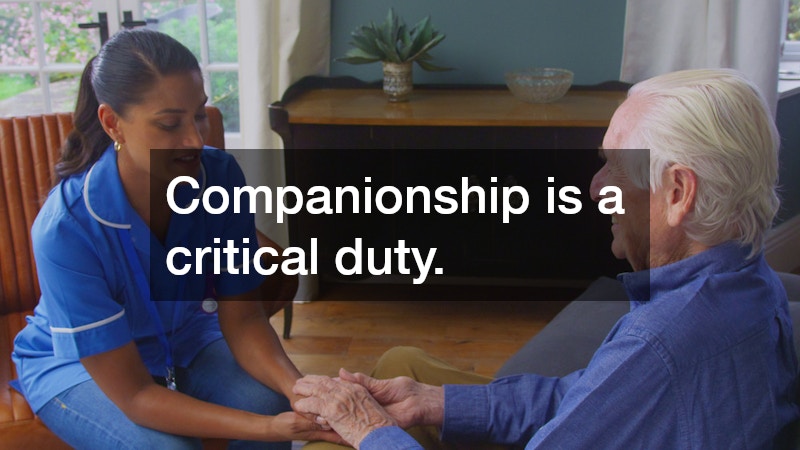
1.5 Offering Emotional Support
Companionship is a critical duty. Loneliness can be debilitating. A home care professional provides conversation. They engage clients in hobbies or exercises. They listen with empathy. They offer a consistent presence. This support aids mental health.
2. What challenges do home care professionals face?
The rewarding nature of the work is matched by significant professional and personal hurdles.
2.1 Managing Time Effectively
Schedules are often tightly packed, with travel between clients’ homes consuming unpaid time. Within a visit, professionals must balance scheduled tasks with the client’s pace and unforeseen needs, all while documenting care accurately—a constant juggling act against the clock.
2.2 Dealing with Emotional Stress
Caregivers form deep bonds with clients and their families. Witnessing decline, managing grief after a client’s passing, and absorbing the emotional weight of others’ struggles can lead to compassion fatigue and burnout without proper coping mechanisms and support.
2.3 Handling Difficult Patients
Clients may exhibit frustration, anger, or resistance due to pain, cognitive conditions like dementia, or the psychological difficulty of accepting help. Professionals must remain patient, calm, and professional in the face of verbal or even physical agitation, using de-escalation techniques.
2.4 Balancing Multiple Clients
Each client has a unique care plan, personality, and home environment. Furthermore, last-minute schedule changes or a client’s acute need can disrupt the entire day’s plan.
2.5 Navigating Family Dynamics
Families are often stressed and may have conflicting opinions about care. Aides can find themselves in the middle of family disputes, managing expectations, providing updates, and sometimes advocating for the client’s best interest while maintaining professional boundaries.
3. What skills are essential for success in home care?
Thriving in this field requires a specific and robust skill set that goes beyond technical competence.
3.1 Communication Skills
Clear, compassionate communication is paramount. This means explaining procedures to clients simply, actively listening to concerns, providing concise updates to families and healthcare teams, and accurately documenting care in written reports.
3.2 Empathy and Compassion
The ability to genuinely understand and share the feelings of another is the profession’s cornerstone. It transforms routine tasks into acts of kindness and allows the caregiver to connect on a human level, providing comfort beyond physical care.
3.3 Problem-Solving Abilities
Unexpected situations occur often. A client might fall, a device could fail, or snow might block the driveway. Successful aides quickly assess risks and find safe solutions within their practice.
3.4 Physical Stamina
The job is physically demanding. It involves prolonged standing, bending, lifting (often using proper body mechanics to assist clients in transferring), and performing tasks that require strength and endurance.
3.5 Attention to Detail
A small change, such as a new bruise, a missed meal, or a slight confusion, can be a critical health indicator. Meticulous observation and strict adherence to care plans and medication schedules are non-negotiable for client safety.
The daily life is one of resilience and skill. This career blends duty with connection. Despite challenges, rewards appear: gratitude in eyes, trust from families, improved quality of life. For the empathetic, patient, and dedicated, it sustains community care.